Doublespeak is language that deliberately obscures, disguises, distorts, or reverses the meaning of words. Doublespeak may take the form of euphemisms (e.g., “downsizing” for layoffs and “servicing the target” for bombing), in which case it is primarily meant to make the truth sound more palatable. It may also refer to intentional ambiguity in language or to actual inversions of meaning. In such cases, doublespeak disguises the nature of the truth.
We’re committed to transparency and community engagement as we head into July Budget Meetings.With the next line, they imply that certificates of obligation are used every day by most cities, and there is nothing out of the ordinary for financing any city project. Then, why did we have two bond issues during the past eighteen months? Here is the Texas state code for using the certificates. I think you might not agree that they are used as an ordinary method to create new debt for the taxpayers. https://texas.public.law/statutes/tex._local_gov’t_code_section_271.045
The City Campus Project will centralize services, improve emergency response, and provide expanded public space, estimated at $21.6 million without inflation. Please note the wording used in this comment: “estimated at $21.6 million without inflation.” First – this estimate is before any actual plans for any of the buildings have been developed, second – the assumption of no inflation cost increases, third – somehow those buildings will decrease emergency response times, four – The $21.6 million will be paid for over 25-50 years without accruing any interest charges so the debt paid by property taxes will not be more than $21.6 million.
The City is not issuing $100 million in debt. Current notices represent $52.155 million, including $8.155 million in voter-approved funds.The property taxpayers cannot write a check for $52,155 million and that is why the city will borrow (put the taxpayers obligated for repaying that amount plus all interest on the remaining balance for the entire 25-50 years, so just like your house, it is not the loan amount divided by 360 monthly payments. The debt is determined by the interest rate the city must pay to get someone to loan the money for a fixed period (Bond Expiration Date). The more debt the city takes on with no future residential growth, the lower the credit rating and the higher the interest rate to be paid. Every new bond sold is impacted by any outstanding debt.
Water and sewer system upgrades totaling $20 million (Series 2025B) are part of a long-term plan to ensure reliable and compliant utility service. How did this now become an emergency and not be discussed when the three bond propositions were voted on less than eighteen months ago? At that time, the city provided tables that purported to show how an average homeowner’s property taxes would be affected over the years, which would certainly be impacted more by this new $44 million debt. Those charts assumed that some old bonds would be paid off, so the rate increase would not be as much, but now the city is adding even more debt and telling the taxpayers – take my word for it!
Interest rates for COs are comparable to GOs, as both are backed by the City’s full faith and credit.The city has no way of knowing what any investor uses to determine whether to take the long-term risk of municipal bonds. The market for municipal bonds is as volatile as other large investments, and the risks versus rewards. When debt is created without voter support, it has a different message than debt approved by the voters. The Texas Legislature also has a much different view of when and how they are used than stated by the JV messages.
All required public notices were published in the Houston Chronicle and posted on the City’s website.For a city that has proudly stated many times how transparent it is, why all of their actions I noticed the word “required” was used for the publishing of the actions taken by the city council. We have been told that we are informed better than just about anywhere else in Texas. However, there were no other ways that the residents could have been made aware of these emergencies and the fact that our taxes would be higher after you began more projects, projects that had no right to vote on.
A cost breakdown on Page 22 shows:
- Community/Rec Center & Pavilion: ~$5.3 million
- Administration Building (City Hall functions): ~$3 million
- Public Works/Parks/Facilities Renovation: ~$2.3 million
- Emergency Operations Center/Court/Council Chambers/Committee Meeting Hall: ~$4.4 million
Including demolition, site work, soft costs, contingency, the full project estimate is approximately $21.6 million.
These are estimates with no detailed plans, including contractual estimates and certainly no estimate impact on the future property tax rates. The idea that there will be no increase in future tax rates caused by the new debt is doublespeak. How would those tax rates be if this new debt were not incurred? We were told in November 2023 that the bond debt from the 2023 bonds would have less impact on our tax rates due to the bonds being paid off. Now we are told this new debt will just be hidden by keeping the rate the same and not reducing it.
On September 2, 1858, speaking in Clinton, Illinois, during the famous Lincoln-Douglas debates, Abraham Lincoln made one of his most famous statements:
“You can fool all the people some of the time and some of the people all the time, but you cannot fool all the people all the time.”
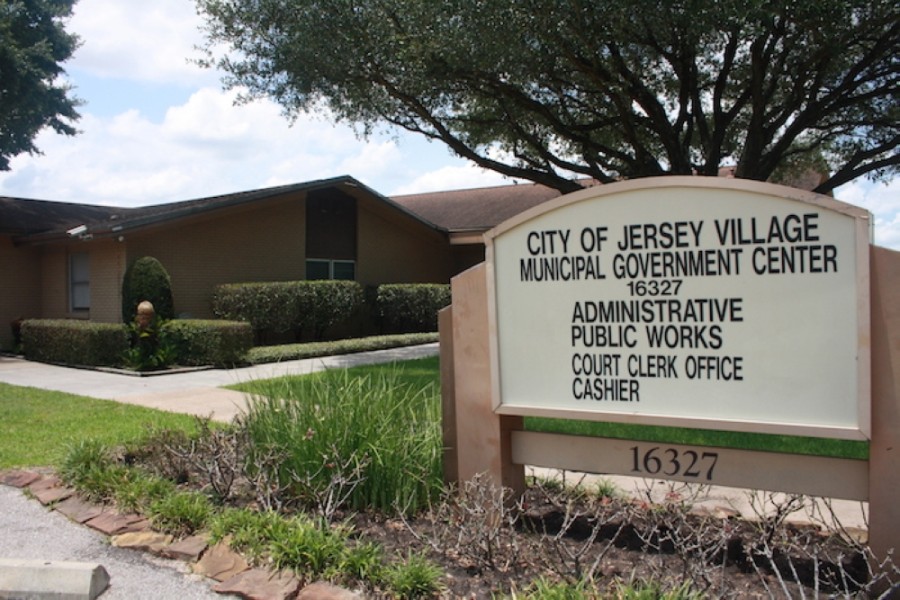
It is time for the Mayor, City Council, and the City Manager of Jersey Village to quit trying to fool the residents regarding their actions. You are not individually or collectively smarter than the other residents. There was a time when the residents of Jersey Village were treated like neighbors and the opinions of all were valued. There is no group in Jersey Village that is apposed to doing what is necessary. There are differences between needs and wants.
Not every taxpayer is interested in paying for projects that involve millions of dollars that build up the resume of the City Manger for his next opportunity. The city has spent well more than $20 million on the Jersey Meadows Golf Course and the voters have never had a chance to vote on any of those decisions. Not one person involved with City Hall will release the percentage of residents vs non-residents that play golf there.
Why is so much done with so little communication with the residents? We have a monthly newsletter, “Jersey Village Star,” that in the past was used to inform the residents, but now it is primarily an advertising tool for Jersey Meadow Golf Course. Now, some of the residents receive email notices from the city for various kinds of information; however, not about actions like “We’re going to borrow another $44 million and we forgot to tell you.”